Published by Norisia Team · 29 September 2026
Can you increase iron without tablets if they upset your stomach?
Iron-rich food can improve your intake, but do not assume it will replace treatment for diagnosed iron deficiency anaemia. If tablets cause nausea, constipation or stomach pain, ask your pharmacist or prescriber to review the treatment. There may be ways to change how you take it, the preparation or the treatment route. The goal is a plan you can tolerate and follow—not simply abandoning iron replacement. NHS: iron deficiency anaemia.
This is a general guide for adults, not a personal treatment plan. Pregnancy, children, inflammatory bowel disease and other medical conditions need tailored advice.
The question surfaced repeatedly in Reddit discussions on 23 September and 28 September 2026. Those conversations reveal a real frustration, but suggestions from other users are not evidence that a remedy is safe or effective for you.
Low ferritin and anaemia are not the same result
Ferritin is a protein that stores iron. A ferritin blood test helps assess your iron reserves; haemoglobin is the oxygen-carrying protein in red blood cells. They answer different questions. Ferritin also needs context: inflammation and some illnesses can raise it, so a number should not be interpreted in isolation. MedlinePlus: ferritin blood test.
Before searching for the fastest way to raise ferritin, ask what your results mean together. Take the actual report, including units and the laboratory reference ranges, to your appointment. Avoid adopting a stranger's target from a forum as your own treatment goal.
Why do iron tablets cause nausea or constipation?
Ferrous sulfate can cause digestive side effects, including nausea, heartburn, constipation and diarrhoea. Taking it with or just after a meal or snack can help some people with stomach discomfort. Persistent symptoms deserve a pharmacist or doctor's advice rather than an ever-growing collection of products to counteract them. NHS: ferrous sulfate side effects.
An absorption rule is not useful if it makes the treatment impossible to take. Explain exactly what happens: the symptom, when it starts, how long it lasts and whether it causes missed doses.
| The problem | A useful question to ask |
|---|---|
| Nausea when taking iron before breakfast | Can I take this preparation with food? |
| Constipation makes me skip doses | What symptom management or treatment change is appropriate? |
| Several preparations have caused problems | Should we review the formulation or another route? |
| My blood results are not improving | Have we checked adherence, absorption and continuing blood loss? |
| I am considering a liquid or gummy instead | Does it provide the prescribed amount of elemental iron? |
This is an appointment checklist, not a list of changes to make independently.
Can you take iron tablets with food—or every other day?
For ferrous sulfate, the NHS says an empty stomach is best for absorption, but taking it with or after food is an option if it causes stomach upset. Tea, coffee, eggs and dairy can interfere; its guidance advises a two-hour gap before having these after the dose. Instructions may differ between preparations, so use your own medicine leaflet and pharmacist's advice. NHS: how to take ferrous sulfate.
The British Society of Gastroenterology's adult guideline includes clinician-led options when oral iron is not tolerated: an alternate-day regimen, an alternative oral preparation or intravenous iron. These are options to discuss, not a universal schedule to copy. IV iron requires clinical assessment; it is not a routine wellness shortcut. BSG adult iron deficiency anaemia guideline.
Do not stop or alter a prescription without discussing it. Tell the pharmacist about other medicines and supplements, too: iron can interact with medicines such as levothyroxine, and calcium supplements can affect absorption. NIH Office of Dietary Supplements: iron.
What foods help increase iron intake?
Build meals around sources you actually enjoy. Beans, lentils, fortified cereals, meat and leafy greens can all contribute. Plant foods provide non-haem iron; pairing them with a vitamin-C-containing food can improve its absorption. NHS: the vegetarian diet, NIH iron fact sheet.
Try these practical combinations:
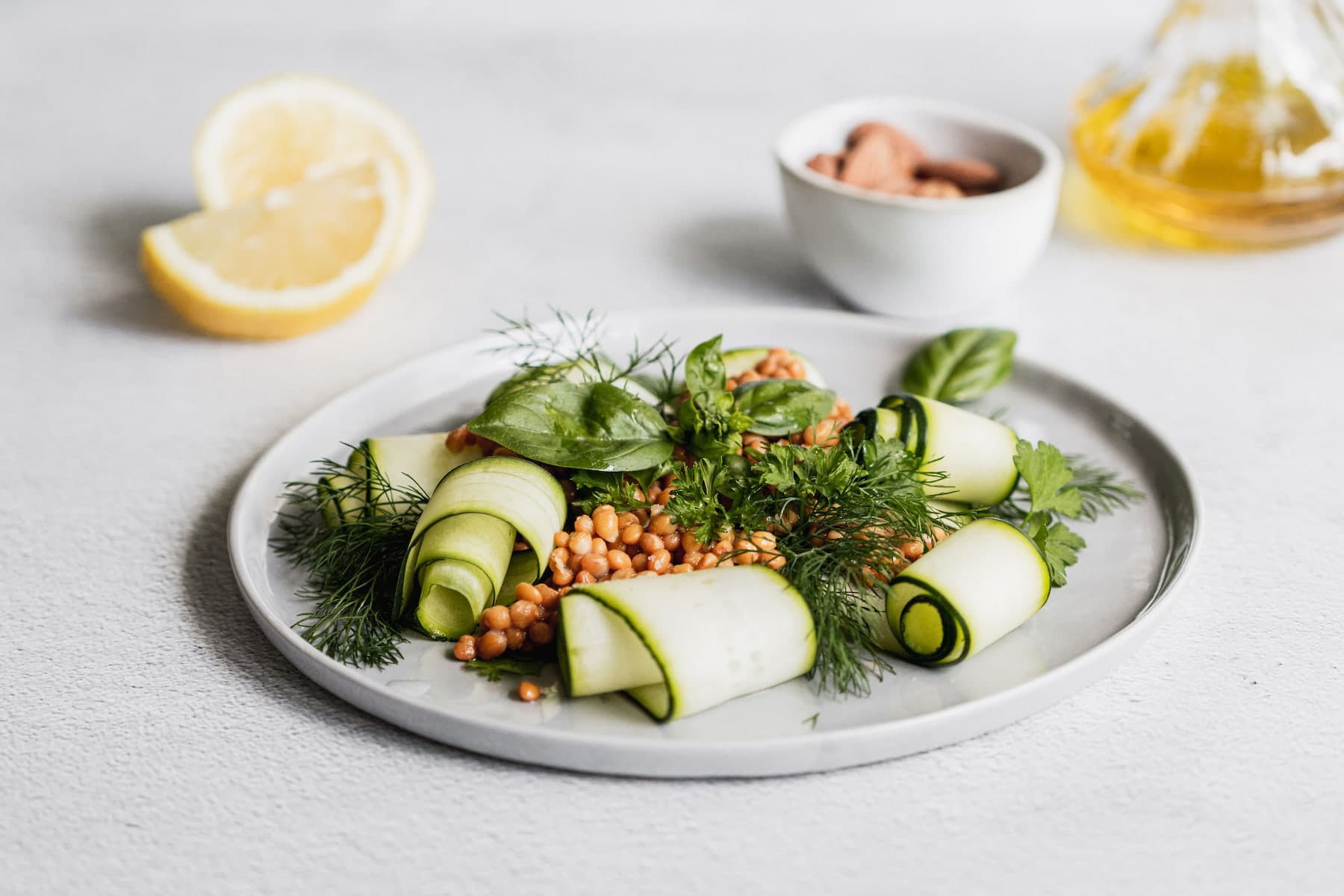
- Lentil salad with chopped red pepper and a lemon dressing.
- Bean chilli with tomatoes and a side of lightly cooked broccoli.
- An iron-fortified breakfast cereal, checking the label rather than assuming every cereal is fortified, with fruit alongside.
These are meal ideas, not a calculated replacement dose. Portion size, fortification and the rest of the meal change the nutritional contribution. A photograph or an “iron-rich” recipe title cannot tell you how much iron you will absorb.
If you have diagnosed anaemia, nutrition and prescribed treatment can work together. Your clinician should also investigate why iron is low—for example, heavy periods, gastrointestinal blood loss or poor absorption—rather than assuming the answer is always dietary. NHS: causes and treatment.
Do you need vitamin C with an iron supplement?
Helping absorb iron from a plant-based meal is not the same question as proving that everyone needs a vitamin C tablet with prescribed iron.
A 2020 randomised trial involving 440 adults with iron deficiency anaemia found that oral iron alone met the study's equivalence criteria compared with iron plus vitamin C for the main haemoglobin outcome. The participants were predominantly women, and the result does not settle every clinical situation. It does challenge the blanket claim that extra vitamin C is essential for everyone. Li and colleagues, JAMA Network Open.
If orange juice or an additional supplement worsens your symptoms, tell your pharmacist. Follow an individual plan rather than forcing a combination because a comment thread says it is mandatory.
When should you seek help sooner?
Darker stools can occur with iron. However, black, tar-like or red stools, visible blood, or feeling unwell alongside a stool change need prompt medical advice: the NHS advises contacting a doctor or 111 straight away. Severe breathing difficulty or swelling of the mouth or throat can signal an emergency; call 999. NHS: side effects and warning signs.
Keep iron out of children's sight and reach. An overdose can be dangerous. If someone takes more than the recommended amount, contact NHS 111 promptly. NHS: ferrous sulfate safety.
Frequently asked questions
Can food raise ferritin quickly?
There is no reliable “fastest food” prescription for an individual. The cause and severity of deficiency, ongoing losses and treatment response matter. Ask when repeat blood tests are due instead of judging recovery only by how energetic you feel. BSG guideline.
Is liquid iron automatically gentler than tablets?
Not automatically. A liquid can help with swallowing, but the preparation and elemental-iron amount still matter. Ask a pharmacist to compare the actual products rather than swapping by volume or marketing terms. NHS: ferrous sulfate preparations.
Should I take iron just because I am tired?
No. Tiredness has many possible causes. Seek an assessment rather than treating a guessed deficiency; an iron supplement is not a general energy booster for everyone. NHS: common questions about ferrous sulfate.
What should I take to a pharmacist or GP appointment?
Bring your blood results, all supplement labels, your prescription details and a short record of symptoms and missed doses. Ask three questions: what are we treating, what can we change safely, and when will we check whether it worked?
For a broader review, use our supplement-stack safety checklist. If you take biotin, also read what to tell the team before a blood test.
Educational information; not a diagnosis or personalised medical advice. Sources checked 29 September 2026. Hero photograph: Anna Pyshniuk on Pexels, used under the Pexels licence. Illustrative lentil and vegetable salad; not a treatment or a measured nutrient claim.